
About us
About us
About Palakkad
Palakkad is a beautiful district in the state of Kerala, India, known as the “Gateway of Kerala” because it connects Kerala with Tamil Nadu through the famous Palakkad Gap in the Western Ghats. The district is well known for its rich natural beauty, cultural heritage, and agricultural importance.Palakkad is surrounded by lush green paddy fields, rivers, forests, hills, and mountains, making it one of the most scenic regions in Kerala. Agriculture is a major occupation here, with rice, coconut, and vegetables being widely cultivated. The district is also home to important irrigation projects and fertile plains.The region has a strong cultural identity, influenced by both Kerala and Tamil traditions. Palakkad is famous for its contributions to Carnatic music, classical arts, and traditional festivals. Historic landmarks such as Palakkad Fort, temples, and heritage villages add to its charm.Palakkad also hosts several wildlife sanctuaries and tourist attractions like Silent Valley National Park, Malampuzha Dam, Dhoni Waterfalls, and Nelliyampathy Hills. With a pleasant climate, growing educational institutions, and improving infrastructure, Palakkad is an important center for tourism, education, and agriculture in Kerala.
GLANCE OF PALAKKAD (KERALA)
Area
Population
Revenue
Spoken Language
Malayalam, Tamil, English
Culture, Festivals, and Lifestyle
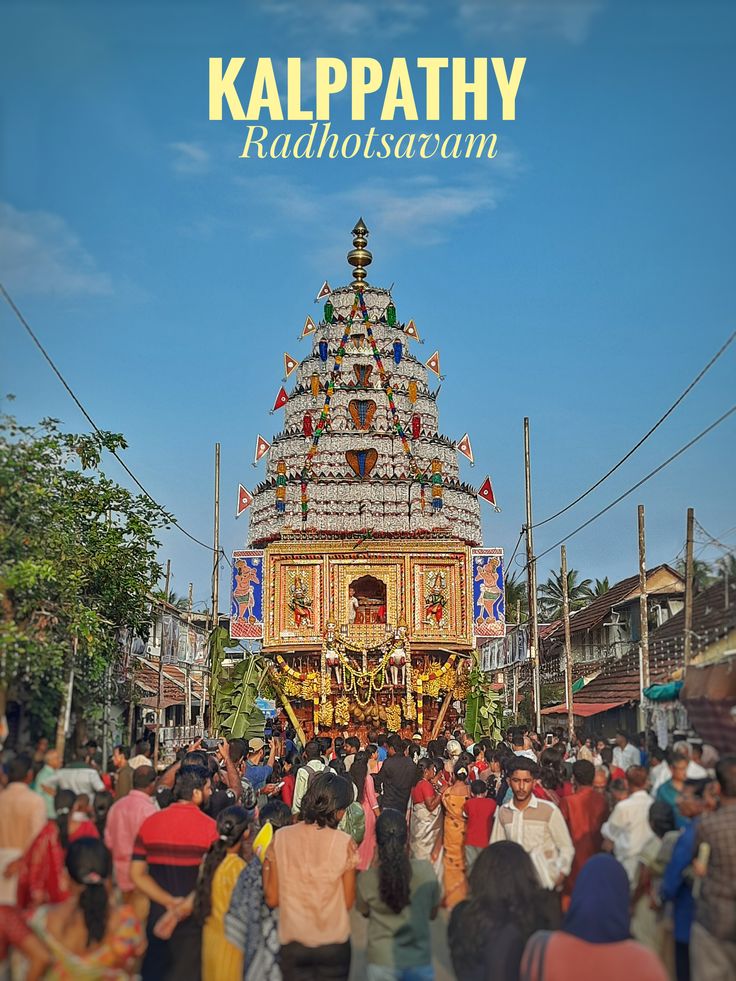
Kalpathi Ratholsavam is one of the most renowned and traditional temple festivals of Palakkad, Kerala. It is celebrated annually at the historic Sri Visalakshi Sametha Sri Viswanatha Swamy Temple in Kalpathi Agraharam, which is over 700 years old. The festival usually takes place in the Malayalam month of Vrischikam (November) and lasts for several days.
The main attraction of the festival is the grand procession of richly decorated wooden chariots (rathams) carrying the deities—Sri Viswanatha Swamy, Goddess Visalakshi, Vinayaka, and Subramanya. Thousands of devotees gather to pull the massive chariots through the streets of Kalpathi, accompanied by Vedic chants, traditional music, and elaborate rituals, creating a deeply spiritual atmosphere.
Kalpathi Ratholsavam is unique for its strict adherence to ancient customs and traditions, reflecting the heritage of the Tamil Brahmin community.
The entire agraharam is beautifully decorated, and devotees observe ritual purity and discipline throughout the festival.
More than a religious celebration, Kalpathi Ratholsavam is a cultural symbol of Palakkad, attracting visitors from across Kerala and Tamil Nadu. It represents devotion, tradition, and community unity, making it one of the most iconic festivals in the region.
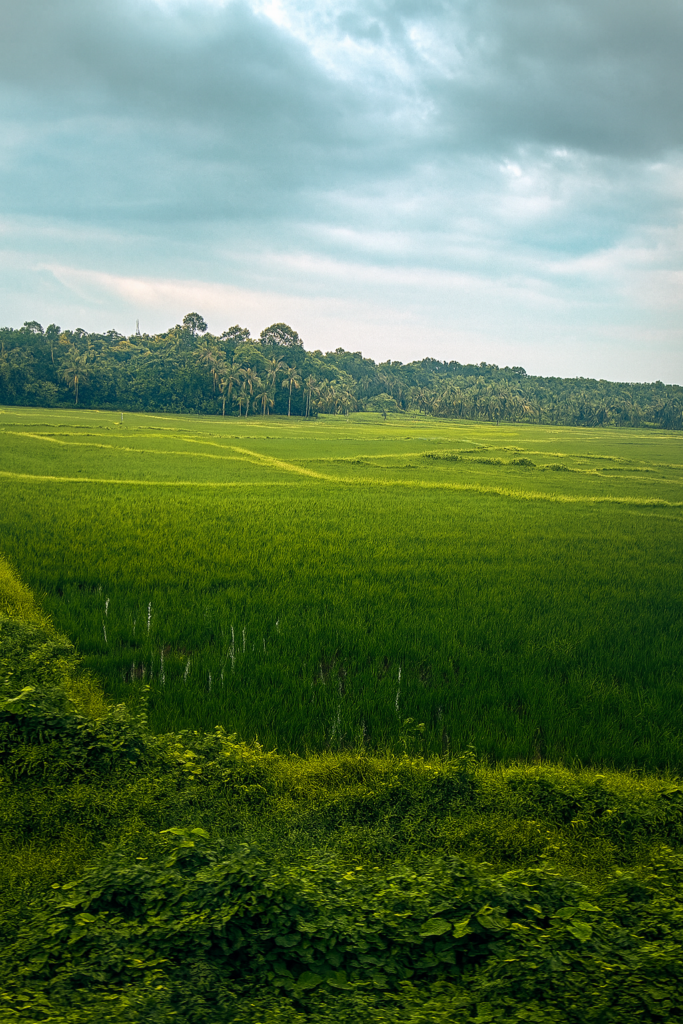
The villages of Palakkad, Kerala are deeply rooted in agricultural traditions, with vast paddy fields forming the heart of rural life. Known as the “Rice Bowl of Kerala,” Palakkad’s landscape is defined by endless green fields, narrow bunds, coconut groves, and irrigation canals that reflect generations of farming heritage.
Paddy cultivation in Palakkad is not just an occupation but a way of life. Farming activities follow seasonal rhythms, bringing communities together during planting and harvesting. Traditional practices, folk songs, and shared labor highlight the strong sense of unity and cooperation among villagers.
The culture of Palakkad villages is marked by simplicity, harmony with nature, and respect for tradition. Early mornings in the fields, evening gatherings, temple rituals, and festivals like Onam celebrate the close connection between agriculture and culture. The calm environment, fresh air, and green surroundings contribute to a peaceful and balanced lifestyle.
Overall, the paddy fields of Palakkad symbolize sustainability, cultural heritage, and rural beauty, representing the true essence of Kerala’s village culture.
Economy & Agriculture
Palakkad plays a vital role in Kerala’s economy, with agriculture forming its backbone. Known as the “Rice Bowl of Kerala,” the district has vast fertile plains supported by rivers, canals, and irrigation projects, making it one of the most productive agricultural regions in the state.
Agriculture:
Paddy cultivation is the primary agricultural activity in Palakkad, covering large areas of the district. Crops such as rice, coconut, sugarcane, pulses, vegetables, and bananas are widely grown. Irrigation systems like the Malampuzha Dam and traditional canals support year-round farming. Agriculture-based livelihoods, including dairy farming and allied activities, are central to rural life.
Economy:
Palakkad’s economy is a mix of agriculture, small-scale industries, trade, and services. Rice mills, food-processing units, coir production, and handloom activities contribute to local employment. The district’s strategic location near Tamil Nadu, along with good road and rail connectivity, supports trade and business growth.
In recent years, Palakkad has also seen development in education, healthcare, tourism, and renewable energy, while industrial areas and business hubs continue to expand. Overall, Palakkad’s economy reflects a balanced blend of traditional agriculture and modern development, sustaining both rural and urban communities.
Culture & Community
Palakkad is known for its rich cultural heritage and strong sense of community, shaped by its unique position between Kerala and Tamil Nadu. The district reflects a harmonious blend of traditions, languages, and lifestyles, creating a culturally vibrant and socially connected region.
Culture:
Palakkad has a deep-rooted tradition in classical music, temple arts, and rituals, especially Carnatic music. Historic temples, agraharams, festivals, and customs reflect centuries-old practices that are still preserved with pride. Festivals such as Kalpathi Ratholsavam, Onam, Vishu, and Navaratri showcase the district’s devotion, art, and cultural unity.
Community:
The people of Palakkad are known for their warm hospitality, simplicity, and cooperative spirit. Village life is centered around agriculture, temples, and shared social activities. Communities come together during farming seasons, festivals, and local events, strengthening bonds across generations.
Overall, Palakkad’s culture and community represent unity in diversity, where tradition and modern life coexist, creating a peaceful, respectful, and inclusive social environment
FAQ – Frequently Asked Questions
What is Palakkad famous for?
Palakkad is famous as the Gateway of Kerala and the Rice Bowl of Kerala. It is known for its vast paddy fields, natural landscapes, temples, and rich cultural heritage.
Why is Palakkad called the Gateway of Kerala?
Palakkad is called the Gateway of Kerala because of the Palakkad Gap, a natural mountain pass in the Western Ghats that connects Kerala with Tamil Nadu.
What are the main tourist attractions in Palakkad?
Major attractions include Silent Valley National Park, Palakkad Fort, Malampuzha Dam, Nelliyampathy Hills, Dhoni Waterfalls, and Parambikulam Tiger Reserve.
What is the climate like in Palakkad?
Palakkad has a warmer climate compared to other parts of Kerala. Summers are hot, monsoons bring good rainfall, and winters are relatively mild.
What is Palakkad known for in agriculture?
Palakkad is known for extensive paddy cultivation, along with crops like coconut, sugarcane, banana, and vegetables.
Which festivals are important in Palakkad?
Major festivals include Kalpathi Ratholsavam, Onam, Vishu, Navaratri, and various temple festivals.